
Subscribe and receive email notifications of new blog posts.
 RSS Feed
7
Plants to Include in a Butterfly Garden
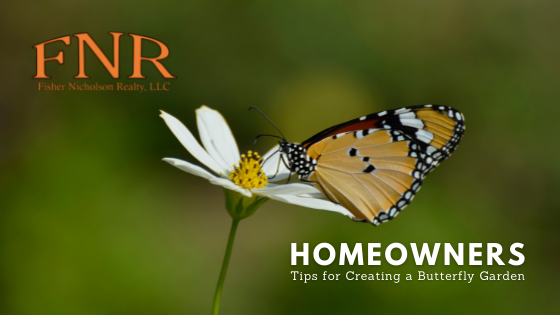
March 14 is National Butterfly Day. What better day to learn about butterflies, especially with spring approaching?
As you're settling in your neighborhood near Klamath Falls homes for sale, how about starting a movement to celebrate this day? Educate yourself about the challenges for survival butterflies must face as their numbers diminish due to development, loss of habitat and food supply, and pesticides. You can create a veritable corridor of pesticide-free, nectar-bearing plants for energy and for caterpillars to feast on.
In fact, there's probably no better way to celebrate National Butterfly Day than by planting a butterfly garden. You can choose plants that provide butterflies with energy, such as many nectar-producing plants, or plants that support caterpillars. For instance, Monarch caterpillars need milkweed to lay their eggs on. When the eggs hatch, the caterpillars will eat these plants before they go into the chrysalid stage. A few weeks later, they will open up, and more butterflies will be born. Whether you choose nectar-producing plants or plants for caterpillar food—and you can do both—you'll have a delightful, eye-catching landscape, as well as an exciting nature show for the family to enjoy.
Deciding which plants to include in your butterfly garden can seem overwhelming. Talk to experts on butterfly gardening in your area. Then, pick a site. It could be in the front yard or backyard, but make sure your plants will get at least six to eight hours of sun a day. Some dappled sun is fine. Check the site for drainage; you don't want your plants to be waterlogged. Work plenty of compost into the soil, and add mulch after planting plants.
Now, let's look at some plants to attract butterflies and feed caterpillars in your garden. If possible, plant native plants, since these are the species our local butterflies evolved with. However, butterflies do enjoy feeding on nectar from many non-native plants.
- Annuals
- Sage. Several sage species do well in our area. Sages, or Salvia, like well-drained soil and full sun. Try Salvia X sylvestris. Butterflies are known to be attracted to blue blooms, and this plant will have them in abundance.
- Spider Flower. Another blue-flowered plant, Cleome spinosa and other Cleome species are not native but do attract bees, butterflies, and even bats. This species is deer- and rabbit-resistant.
- Perennials
- Spider Flower. Achillea species have blossoms with flat heads that make it convenient for butterflies to land on them. They come in many colors, including yellow, purple, red, and white.
- Purple Coneflower. Echinacea purpurea is well known throughout the country, and does well in the Northwest. It attracts butterflies, birds, and bees.
- Fennel. With their lacy golden umbrels, Foeniculum vulgare are an excellent plant to attract Swallowtail butterflies, which feed on the nectar. Many other butterflies are also attracted to fennel.
- Shrubs and Trees
- Lilacs. Syringa vulgaris come in gorgeous purple shades, but also white and pink. They attract butterflies and hummingbirds and also put off a delicious scent.
- Salix. This willow species offer a good food supply for many caterpillars.
Plant shrubs and trees near your garden so butterflies will have a place to find shelter from wind, rain, and predators. Add a sandy damp area or a shallow dish with damp rocks so butterflies can get minerals.
Need some tips on listing your home? Our real estate agents can help. Contact us today.