
Fisher Nicholson Realty Blog
 RSS Feed
Subscribe and receive email notifications of new blog posts.
RSS Feed
Buy a House | 36 Posts
Home Improvement | 23 Posts
Homeownership | 47 Posts
Klamath Basin | 39 Posts
Klamath Falls, OR | 77 Posts
Sell a Home | 19 Posts
November
13
13
Create Warmth and Comfort: Adding a Fireplace for Winter
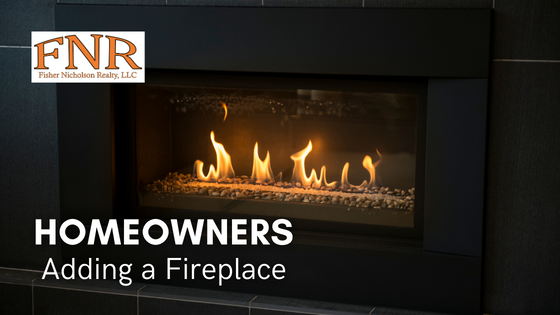
If your vision of an idyllic winter day includes a warm, blazing fire, this vision might feel unattainable if your home currently lacks a fireplace. Fortunately, our real estate agents know that it's possible to install a fireplace so that you're ready for winter. Here's what you need to know about incorporating a fireplace into your home.
- You Have Several Different Styles to Choose From
The days of traditional brick fireplaces being your only option for an in-home fire are a thing of the past. Today's fireplace options include classic masonry alongside other alternatives, like stone and fireplace inserts.
Stone fireplaces are a terrific alternative for individuals who want an updated twist on a brick fireplace. In contrast, fireplace inserts work well for homeowners who prefer a more streamlined, modern look for their home.
If your plans involve listing your home with other Klamath Falls homes for sale, you should ensure that your new fireplace complements your home's style and existing features.
- Your Preferences Will Influence Your Fuel Source
Though there are a few fuel alternatives, the two most common options for fueling a fireplace are wood and gas. Both fuel sources have their advantages and disadvantages.
A wood-burning fireplace produces the sounds and smells typically associated with a roaring fire. However, it's a little bit more cumbersome to procure wood to fuel your fire. You'll either need to chop and cure your own wood or purchase and stock wood for your fireplace.
Opting for a wood-burning fireplace usually requires adding a chimney to your home, increasing the price and complexity of your fireplace addition.
Gas-burning fireplaces require adding a gas line, but once this line is in place, you can "start" a fire with the push of a button. While a gas-fueled fire is lovely, it lacks the smell and crackling associated with wood-fueled fires.
However, one benefit of a gas fireplace is that they're easier to install. They need to be installed in an area that can be vented to the outside of your home, but they don't require a full chimney.
- The Type and Size of Your Fireplace Will Affect the Cost
Adding a fireplace to your home can cost up to a few thousand dollars. Larger fireplaces that require an actual chimney will cost more to install than basic styles that merely require exterior venting.
Adding a mantle and intricate stonework will also increase the cost of your fireplace. The larger your fireplace, the higher your labor and material costs. Fireplaces that require extensive construction will also require more labor and materials than simpler alternatives.
- Local Building Codes May Apply to Your Project
Some cities have building codes and regulations that govern the addition of new home features, including fireplaces. An experienced contractor will let you know about any laws or building codes that will impact your project; a fireplace that isn't up to code can affect the value, safety, and resale of your home.
The ambiance and warmth provided by a blazing fire give your home a cozy, pleasant atmosphere during the chilly winter months. Think about your stylistic and lifestyle preferences when deciding what type of fireplace to add to your home. Interested in selling your home? Contact us to get started.