
Subscribe and receive email notifications of new blog posts.
 RSS Feed
1
Buyers: Understanding Rural Property Boundaries and Easements
Buying rural property in Southern Oregon is an exciting step, and our real estate agents at Fisher Nicholson Realty are here to make sure you go into it with confidence. Before you close on that acreage outside Klamath Falls, there are a few critical concepts every rural buyer needs to understand — starting with property boundaries and easements.
Why Rural Property Boundaries Are More Complex Than You Think
In urban and suburban neighborhoods, property lines are usually straightforward and well-documented. Rural parcels are a different story. Large acreage, irregular shapes, decades-old surveys, and undeveloped terrain all contribute to boundary disputes and confusion that can affect how you use — or sell — your land.
What a Property Survey Actually Tells You
A current survey is one of the most valuable documents you can obtain before purchasing rural property. It tells you:
- The exact legal boundaries of the parcel
- The location of any encroachments from neighboring properties
- Whether fences, roads, or structures actually sit within the legal lines
- Any discrepancies between the deed description and the physical land
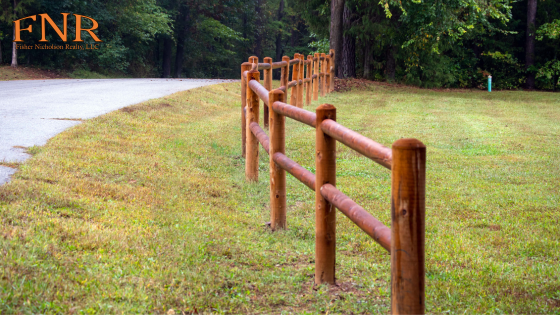
Never assume fences mark legal boundaries on rural land. Fences are often placed for convenience, not legal accuracy, and a fence that has stood for decades may still sit on your neighbor's property. Talk to one of our agents if you have questions about what a survey might reveal on a property you are considering.
Understanding Legal Descriptions in Rural Deeds
Rural properties are commonly described using one of two systems: the metes and bounds system or the Public Land Survey System (PLSS). Metes and bounds uses compass directions and distances to trace the perimeter of a parcel. PLSS — the system most common in the Western United States, including Oregon — divides land into townships, ranges, and sections. Your Fisher Nicholson Realty agent can help you interpret what you are reading and flag anything that warrants a closer look from a licensed surveyor.
Easements: What They Are and Why They Matter
An easement is a legal right for someone other than the property owner to use a portion of the land for a specific purpose. Easements run with the land, meaning they transfer to you at closing, whether you are aware of them or not.
Common Types of Easements on Rural Property
- Access or right-of-way easements — allow a neighbor or utility company to cross your property to reach their own land or infrastructure
- Utility easements — grant power, water, telephone, or pipeline companies the right to install and maintain lines or pipes across your parcel
- Conservation easements — legally restrict certain types of development or land use in exchange for tax benefits or conservation goals
How Easements Can Affect Your Plans
Before you purchase, understand exactly what easements are attached to the property and how they limit your use of it. Ask these questions:
- Does a neighbor have legal access across your land, and where exactly does that access run?
- Are there utility lines buried in areas where you planned to build or dig?
- Does a conservation easement prevent you from subdividing, logging, or constructing additional structures?
A title search will typically surface recorded easements, but unrecorded or prescriptive easements can be harder to identify and may require a real estate attorney to evaluate. Contact Fisher Nicholson Realty if you need a referral or guidance on where to start.
Appurtenant vs. In Gross Easements
An appurtenant easement benefits a neighboring parcel — it stays attached to both properties when ownership changes. An easement in gross benefits a specific person or entity, such as a utility company or a hunting club. Knowing which type applies to your property helps you understand whether that easement will ever go away or remain indefinitely. Reach out to our team with any questions as you work through this process.
Steps to Protect Yourself Before You Close
Taking a few proactive steps before closing can save you significant money and legal headaches down the road.
- Order a new boundary survey rather than relying on an older one, especially for parcels with complex histories
- Review the preliminary title report carefully and ask your Fisher Nicholson Realty agent to walk you through any exceptions listed
- Consult a real estate attorney if you discover easements or boundary issues that could affect your intended use of the property
When you are ready to explore Klamath Falls homes for sale — including rural acreage, farmland, and recreational properties — the team at Fisher Nicholson Realty is ready to guide you every step of the way. Contact us today to connect with an agent who knows Southern Oregon land inside and out.